



Cooling Fan Technology by SANYO DENKI AMERICA
This site is part of SANYO DENKI’s official cooling engineering knowledge base.
Modern networking, AI servers, and telecommunications equipment often require high performance cooling to maintain stable operation. One common solution used in these systems is a custom fan tray assemblies, also known as a Field Replaceable Unit (FRU).
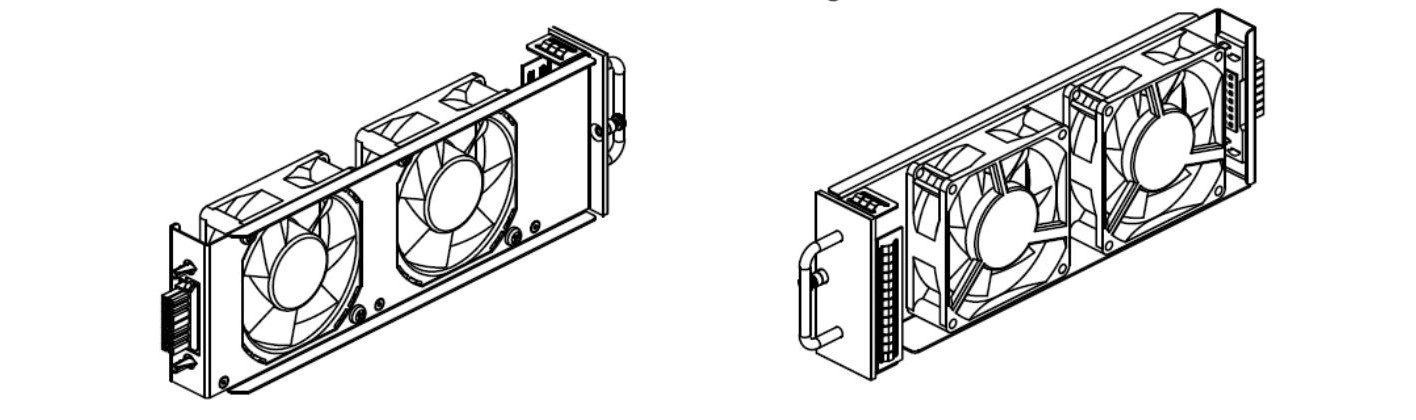
A fan tray integrates multiple cooling fans and supporting components into a single module that can be easily installed or replaced within a system. Using a fan tray simplifies system cooling design and helps improve serviceability in equipment such as servers, switches, and storage platforms.
The value of fan trays goes beyond cooling performance alone. By integrating multiple cooling related components into a single module, system manufacturers can reduce design complexity, simplify assembly, and streamline procurement.
Many of these systems use high performance San Ace cooling fans, which are designed to deliver strong airflow and high static pressure for demanding electronics applications.
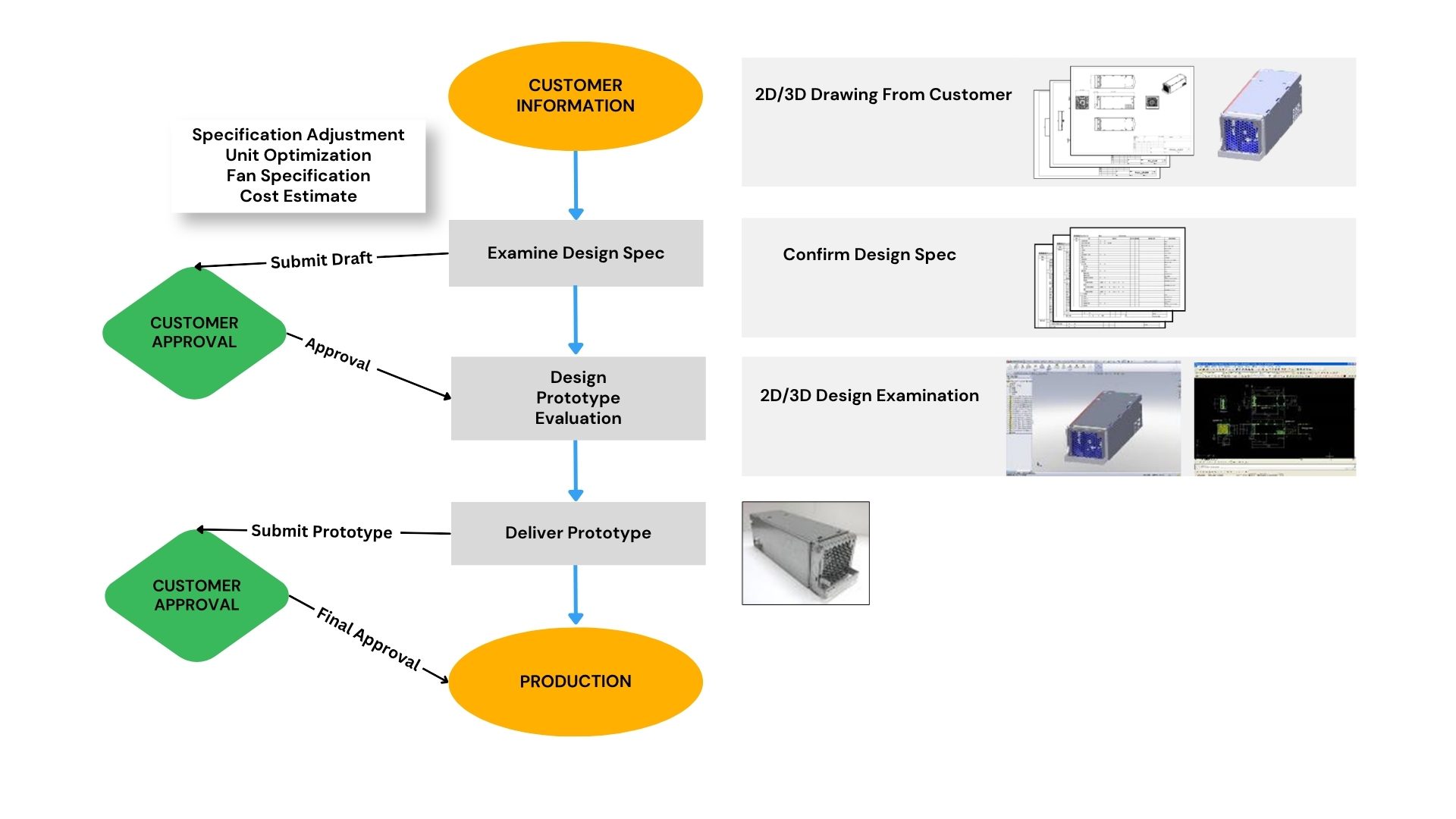
Because every system has unique airflow paths and mechanical constraints, the fan tray enclosure is typically designed by the system manufacturer. Their engineering team creates the initial mechanical drawings and 3D models for the assembly.
Once the design information is shared, the cooling supplier reviews the design and provides feedback to improve manufacturability and assembly efficiency. This process is known as Design for Manufacturing (DFM).
During a DFM review, engineers may suggest improvements such as:
These small adjustments can improve manufacturability while maintaining the intended cooling performance.
After the design review stage, a prototype fan tray for system evaluation is produced. Using rapid prototyping technologies such as 3D printing and machining, an initial evaluation sample can be created in a short period of time.
The prototype will be used to evaluate the following items:
Another advantage of using a fan tray assembly is the ability to simplify the procurement and supply chain process.
A fan tray typically includes many components in addition to the fans themselves, such as:
If these parts were sourced individually, a manufacturer would need to manage multiple suppliers and purchase orders. Instead, when the complete fan tray assembly is supplied as a single integrated module, the cooling supplier manages the sourcing and procurement of all required components. The customer can then purchase the entire cooling assembly using a single part number.
This approach helps reduce supplier management complexity, inventory tracking requirements, logistics coordination, and procurement workload.
Fan tray assemblies allow system manufacturers to integrate reliable cooling into their products while simplifying manufacturing and procurement processes.
By combining high performance cooling fans with a fully integrated assembly, engineers can focus on system design while the cooling supplier manages component sourcing and module manufacturing.
For manufacturers developing complex electronics, this approach can help reduce cooling system complexity from design through procurement.
Contact our cooling experts today for a free consultation.
Written by Jim Cranney
This article is part of SANYO DENKI AMERICA’s San Ace cooling engineering knowledge base, sharing practical guidance engineers use when working with DC fans in electronic cooling designs.
SANYO DENKI has been a trusted provider of cooling solutions for various industries, with fans being a crucial component in many advanced devices. Contact us for a quote, or to discuss your device's customization requirements.
Our experienced application engineers and field engineers will provide support on the customization or any other technical support for your equipment. Contact our representatives or distributors to start discussing your next project.
Contact Us
