
Cooling Fan Technology by SANYO DENKI AMERICA
This site is part of SANYO DENKI’s official cooling engineering knowledge base.
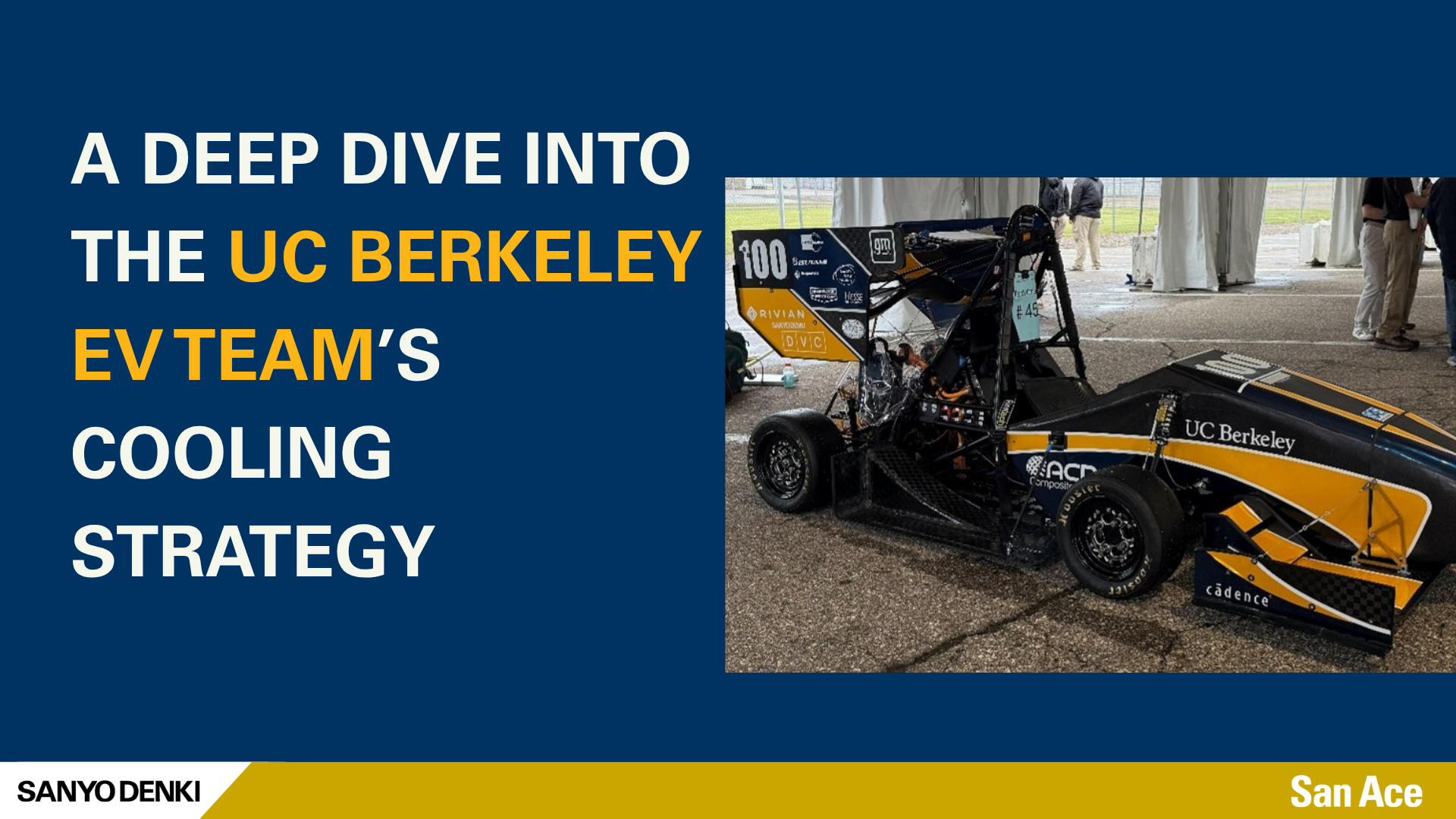
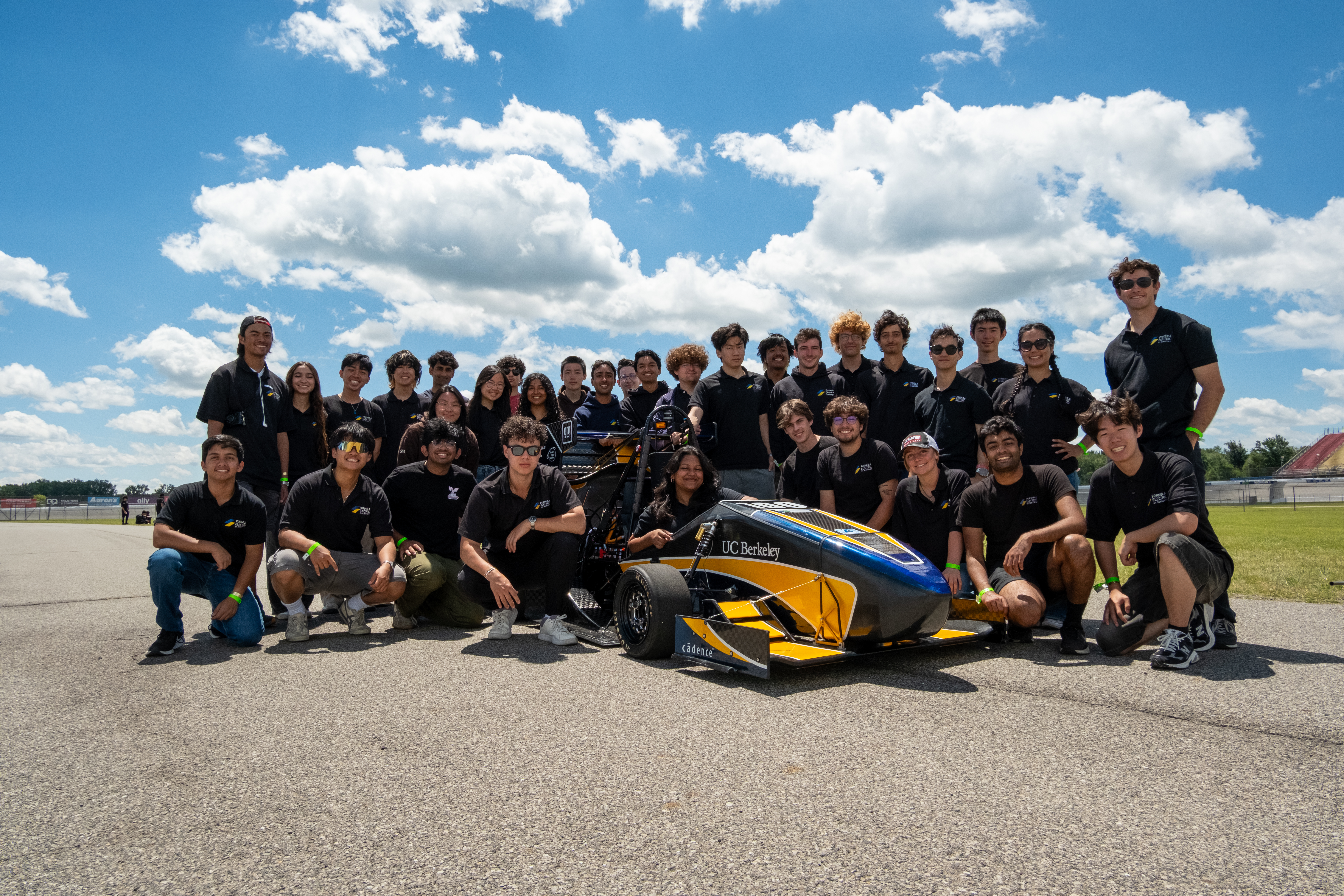
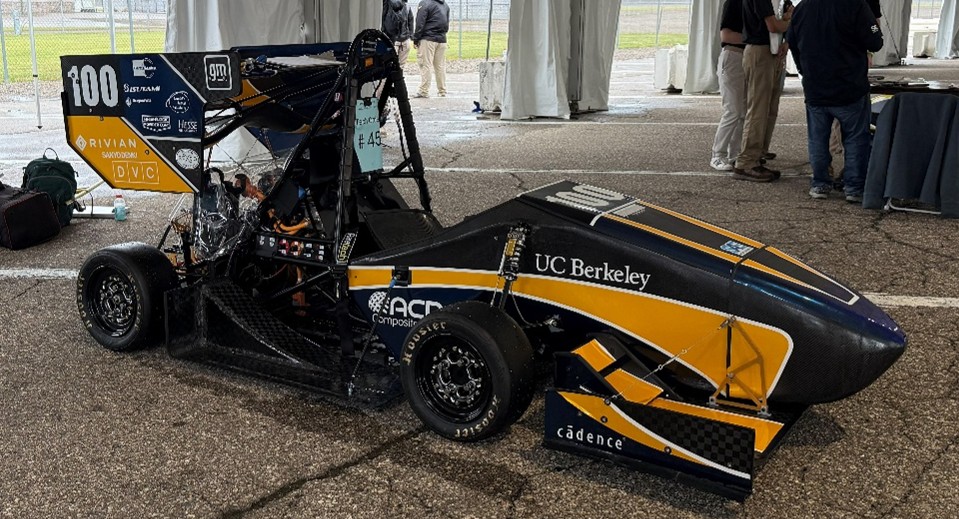
In the high-stakes world of student-led electric vehicle competition, thermal management is often the invisible barrier between a record-breaking run and a mechanical failure. Success on the track requires more than just speed; it demands a sophisticated strategy capable of protecting a 600V battery pack and a high-performance powertrain. We recently sat down with two members of the UC Berkeley EV Team, Jacob Kim and Taiki Yamamoto, to discuss how they integrated SANYO DENKI cooling solutions to ensure their vehicle thrives under the most grueling conditions.
SANYO DENKI: You selected splash-proof fans for your vehicle’s ruggedized application. Why was waterproofing such a critical priority for your design? Why Was Waterproofing Critical for the UC Berkeley EV Team?
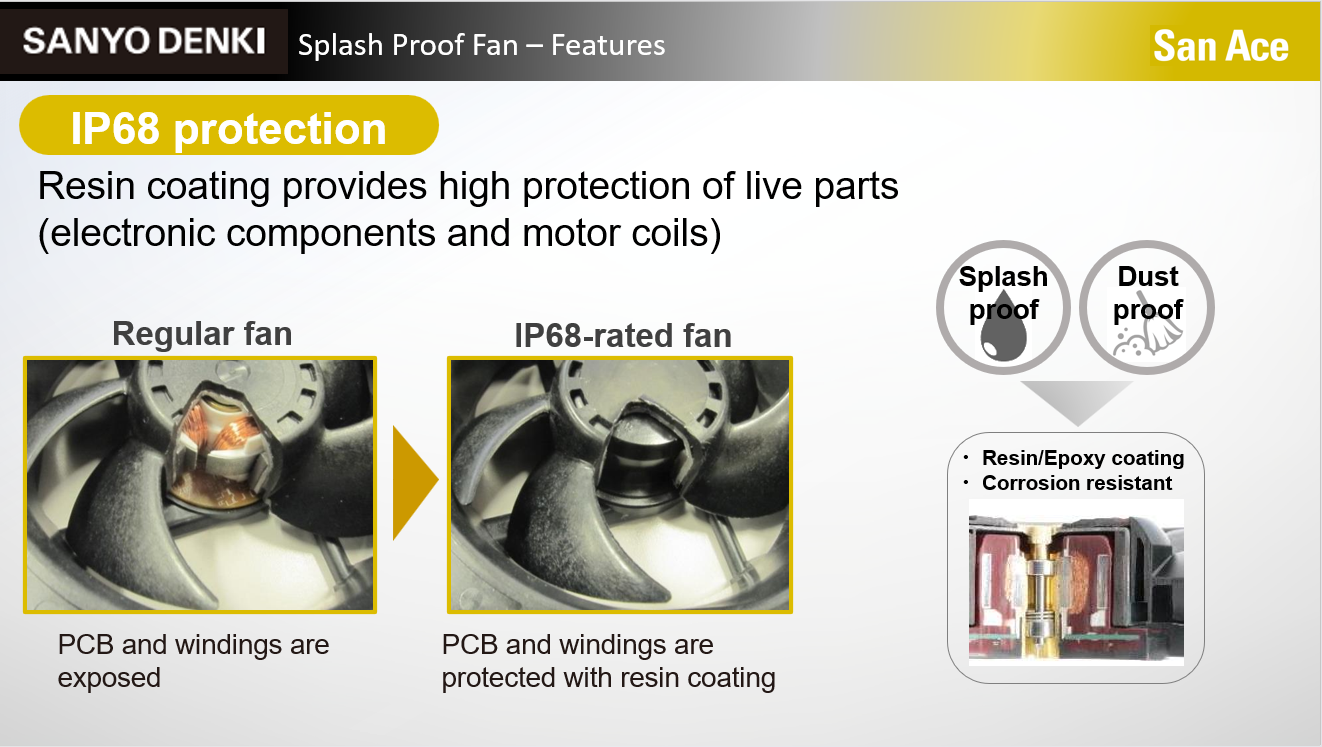
UC Berkeley Team: We specifically chose splash-proof models like the 9WL series primarily as a safeguard against potential leaks during our cooling system testing and to satisfy the mandatory rain-proof testing at competition. During this test, the car was subjected to a shower-like environment, and the high-voltage battery is the most vulnerable component. We needed to ensure every opening is waterproof to prevent water ingress into the electronics. Knowing the fans themselves have IP68 ratings for their internal electronics with epoxy protection and conformal coating gives us total confidence that they can handle exposure to the elements without getting damaged.
SANYO DENKI: Moving to the powertrain, why was this size fan the right choice for your radiator setup and what heat loads are you managing?
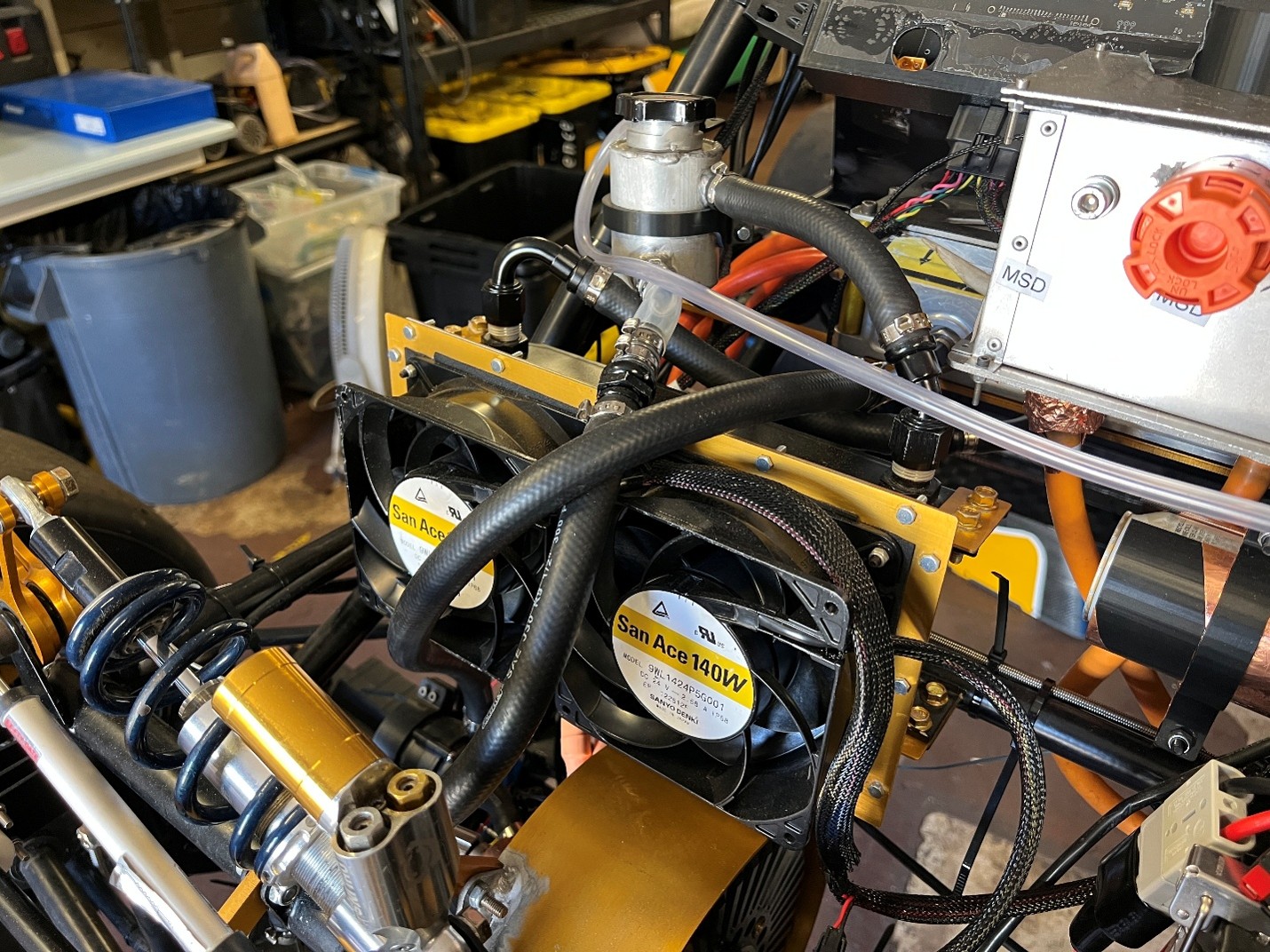
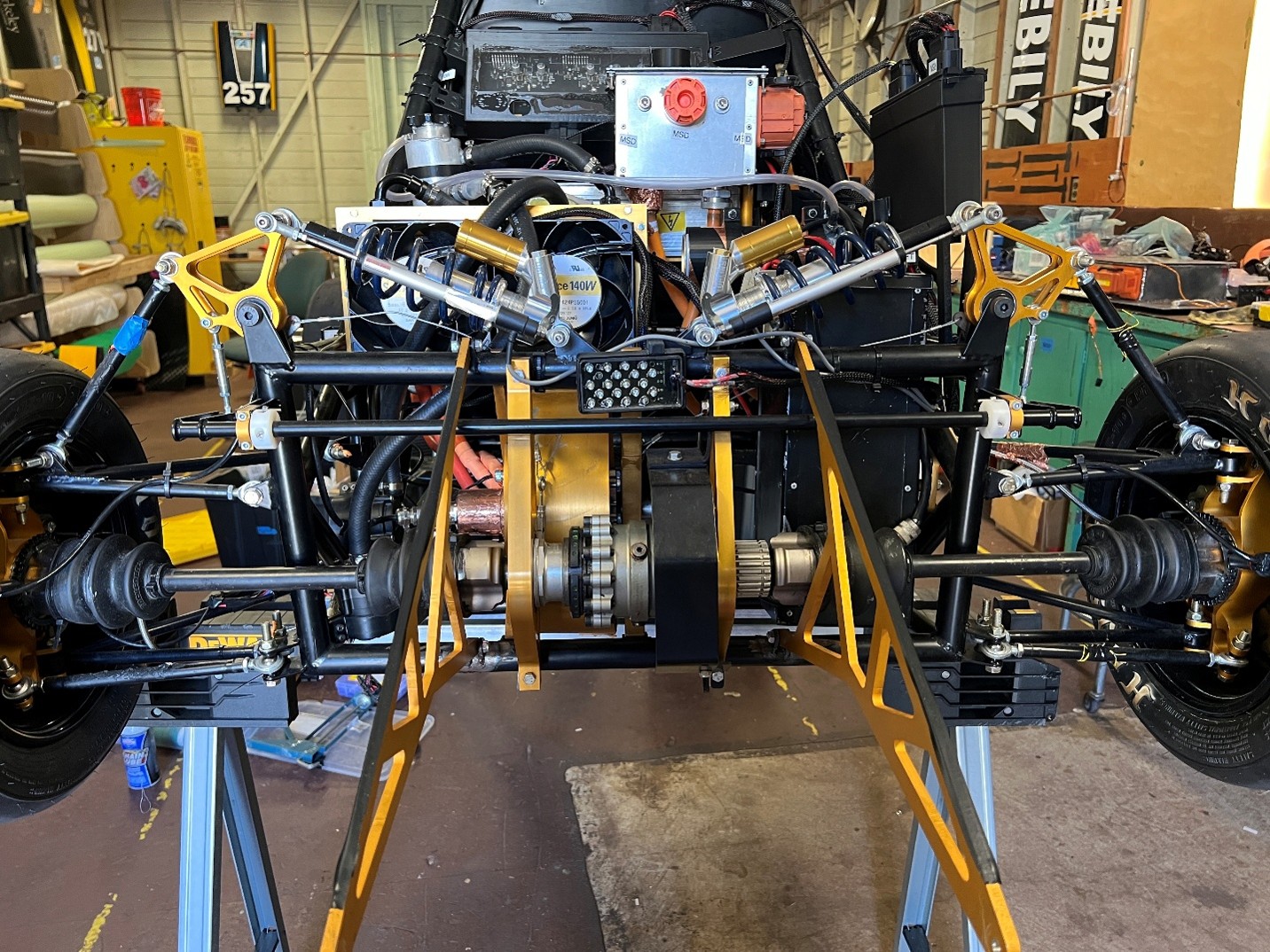
UC Berkeley Team: We chose the 140mm fan 9WL1424P5G001 because it provides 318 CFM of airflow with a profile that matches our radiator perfectly when we use two of them. In our cooling system, the fans are mounted directly against the radiator to maximize airflow efficiency. This setup is essential because the motor and inverter are high-voltage components that generate about 2.5 kW of heat due to inefficiencies. Our most grueling event is the 22 km endurance run, which creates a constant heat load. While our previous fans couldn’t meet the expectations set by our simulations, these new fans consistently supply our cooling loop with the power needed to keep temperatures within safe limits.
SANYO DENKI: For the battery pack enclosure, you opted for the San Ace 80 (9HV type). What performance metrics and thermal challenges led to this selection?
UC Berkeley Team: Our search was focused on a fan with a high volumetric flow rate that remained energy efficient. The 9HV series fits these requirements perfectly, offering high performance with relatively low power usage. This is especially true around 40.8 watts per fan at max performance. Every watt saved on these fans reduces the capacity required from our low-voltage battery, which in turn reduces the vehicle’s overall weight.
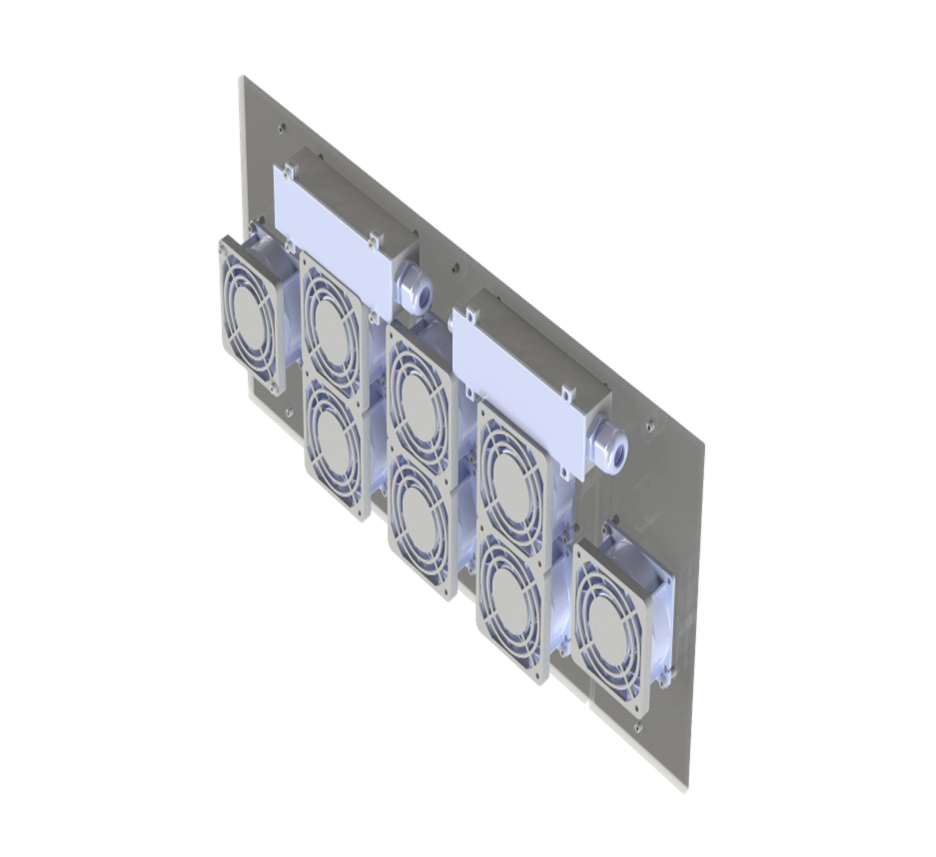
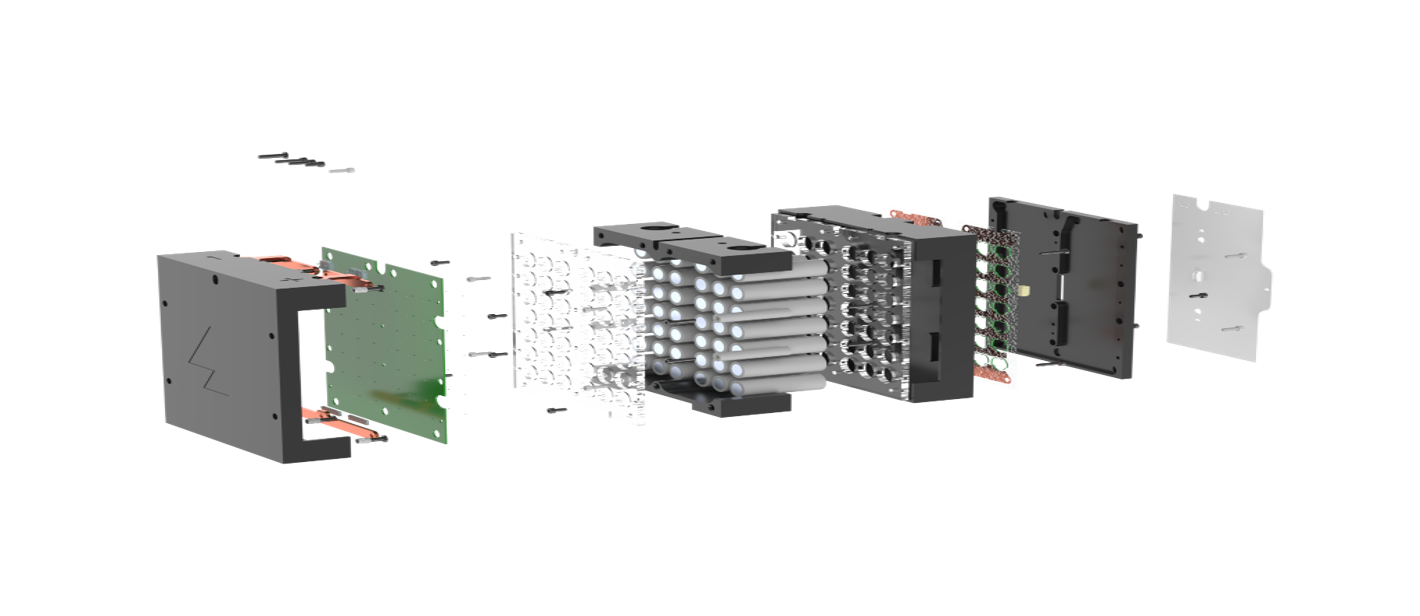
The 9HV0824P1G0011’s 80mm frame size was compact enough to fit perfectly with the width of our individual battery modules, allowing us to orient two fans per module. This is critical because our 600V battery pack heats up through internal resistance and chemical heating. We must keep the cells below 40°C to facilitate active regenerative braking effectively during the endurance run and to prevent thermal runaway causing the batteries to catch fire.
SANYO DENKI: What are some of the complexities involved in modeling these systems, and how did the technical specs of these fans help mitigate those uncertainties?
UC Berkeley Team: Modeling cell heat generation is a multi-variable problem and internal resistance changes with the cell’s temperature and state of charge. We use MATLAB and Ansys simulations, but without high-fidelity track data, we can’t create a perfect model. Because of these uncertainties, we chose to “over-spec” and use SANYO DENKI fans that are more robust and over-engineered for our application.
Static pressure was another critical spec because we deal with internal flow where there are significant pressure losses—up to 500 pascals (2 inH2O) in our testing. Since these fans are spec’d at 1 kilopascal (4 inH2O) of static pressure, they easily overcome those losses. We reduced the number of fans we had to use this year compared to previous years. From an assembly standpoint, the ribless design of the fan frame is a major advantage, allowing us to use standard M4 fasteners for simple installation.
SANYO DENKI: Could you describe the final physical layout of the battery pack cooling and why you chose an external, inlet-only design?
UC Berkeley Team: This year, we moved the fans to the exterior of the battery pack and used inlet fans only. This reduces harnessing complexity and keeps low-voltage components away from high-voltage areas for safety. In past years, we had fans internally, but the new battery design and competition rules led us to keep them external. We designed the chassis with excess space to ensure the fans aren’t at risk of hitting anything during assembly, and we performed waterproof testing to ensure a good seal from the fan to the battery pack exterior.
SANYO DENKI: Finally, how has the support and partnership with SANYO DENKI impacted your overall design cycle?
UC Berkeley Team: The outreach from SANYO DENKI has been extremely reliable and responsive. Jerry provided great recommendations for our applications and even worked with us to ensure a fan we needed reached us in time for testing after an order had already been sent. He even prepared a slide deck covering trends in waterproofing and IP ratings for internal electronics which is something we hadn’t initially considered, but needed.
The partnership provides significant efficiency for our design cycle because the CAD files and manuals are easily accessible, making the design of mounts and cooling components much easier. We also found the online catalog and advanced search tools very helpful for filtering by power specs, flow rate, and voltage rating to find the exact part numbers we needed. Having that expert insight to validate our choices really makes a difference.
SANYO DENKI: We really wish you luck in this next season and are more than happy to continuously help the team as needed. Thank you.
Through a combination of precise engineering and high-performance hardware, the UC Berkeley EV Team is setting a new standard for thermal efficiency in student-led automotive design. We are proud to provide cooling solutions and technical support that help their vehicle maintain peak performance under the most demanding competitive conditions. As the team continues to validate their models with new track data, we look forward to supporting their future iterations and seeing their success on the track.
Written by Jerry Wu
This article is part of SANYO DENKI AMERICA’s San Ace cooling engineering knowledge base, sharing practical guidance engineers use when working with DC fans in electronic cooling designs.
SANYO DENKI has been a trusted provider of cooling solutions for various industries, with fans being a crucial component in many advanced devices. Contact us for a quote, or to discuss your device's customization requirements.
Our experienced application engineers and field engineers will provide support on the customization or any other technical support for your equipment. Contact our representatives or distributors to start discussing your next project.
Contact Us
